Seasonal Cake Calendar for a Pennine Tea Room: What to Bake Month by Month
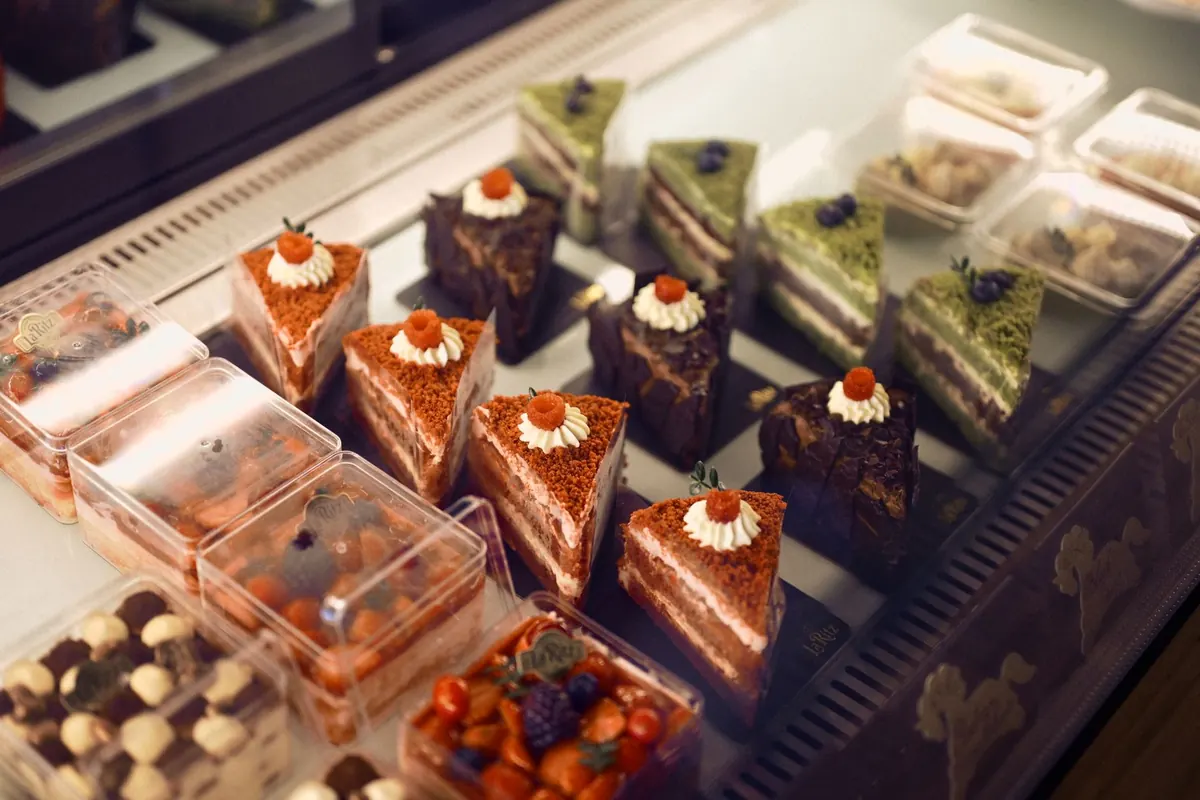
The cake counter is a calendar. Push open the door of a Pennine tea room in February and you will find forced rhubarb under a crumble topping; come back in September and it is damsons and almonds. Regulars notice the change within a week, and they plan their visits around it. A seasonal baking calendar is not a marketing conceit. It is the simplest way to keep forty covers a day interesting when your kitchen is the size of a pantry and you have been baking the same Victoria sponge for years.
What follows is a working year of cakes for a tea room in the hills, built around what actually ripens here and what the towns are celebrating that week.
January and February: Forced Rhubarb and Marmalade
Forced rhubarb is the first real event of the baking year. Grown in dark sheds in the Calder and Aire valleys and picked by candlelight, the stems arrive from January: pink, tender and far less sharp than the outdoor crop. Roast the chunks with sugar and a little orange zest first, then drain them well before folding into a vanilla custard cake or a frangipane tart. That roasting step is the difference between a clean slice and a soggy bottom, and it takes ten minutes.
Seville oranges land in the shops at the same time, for a short season. Make marmalade on a quiet Monday, then keep a jar back for a loaf cake with a bitter orange syrup poured over while it is still warm.
February is short and dark, so bake things that keep. A dark gingerbread with black treacle and local honey improves for three days in a tin, which suits a fortnight of half-term walkers. Shrove Tuesday brings pancake demand rather than cake demand, but a lemon and sugar traybake on the same counter sells to anyone who cannot face a frying pan.
March and April: Easter, Simnel and the End of the Rhubarb
Mothering Sunday and Easter set the shape of spring. A simnel cake is the centrepiece: light fruit sponge, a layer of marzipan through the middle, a ring of marzipan balls on top, and a minute or two under a hot grill to colour them. Cut it in thin wedges and serve it warm.
Alongside it, Easter biscuits with cassia and currants, and hot cross buns if you have the proving space. Both sell in the fortnight before the holiday and neither sells at all afterwards, so bake to the date rather than to the tray.
By late April the forced rhubarb gives way to outdoor stems. They are coarser and more acidic, which means they belong in a crumble or a ginger cake rather than a delicate tart. A light lemon and poppy seed loaf covers the gap between the two crops.
May and June: Elderflower, Gooseberry and the First Strawberries
Elderflowers appear in the hedges from late May. Make a cordial and use a spoonful of it in the icing of a lemon drizzle; the perfume survives better in the icing than it does in the sponge. Gooseberries follow in June, and gooseberry with elderflower is one of the few pairings worth keeping on the slate every single year. A gooseberry fool spooned into a meringue nest sells well after a long walk.
Local strawberries usually arrive late in June in the north, and they are worth waiting for. Strawberry shortcake, properly made, is split sponge, lightly sweetened whipped cream and berries macerated in a little sugar for twenty minutes. Nothing else. If the fruit is not in season, do not put strawberries on the menu at all — customers can tell.
Many Pennine towns still hold Whit walks in late May and June. That is a plain fruit loaf and a large pot of tea day, not a day for elaborate decoration.
July and August: Wimberries, Yorkshire Day and Baking Early
Wimberries, or bilberries, ripen on the moorland edges from late July. Picking is slow, back-bending work, and it stains everything it touches, so wear old clothes and take a plastic tub rather than a bag. They freeze beautifully: spread them on a tray, open-freeze, then bag them in portions.
In the cake, almonds are the right partner. A bilberry bakewell, or muffins with a crumble topping, show the fruit off better than a plain sponge. Yorkshire Day on 1 August is the moment for a proper Yorkshire curd tart, made with curd cheese, currants and a scrape of nutmeg, and for curd tarts you want a shortcrust that will hold a wet filling.
This is also the month to change your own routine. Start baking at six, get the trays out before the kitchen reaches thirty degrees, and keep the cream cakes in the fridge until the moment they go on display.
September and October: Damsons, Brambles and Apples
Damsons arrive in early September from old valley orchards and hedgerows. They are too sharp to eat raw and perfect in a cake: damson and almond, or a damson cheese served with Wensleydale. Put a bottle of damson gin down now and it will be ready for Christmas; the spent fruit, stoned, makes a dark and very good chocolate cake.
Brambles come next. Cook them down briefly before folding them through a traybake batter, or the purple will bleed through the whole sponge. Apple Day on 21 October is worth marking with a spiced apple and cider cake, and with a loaf made from apple and Wensleydale — the cheese's slight acidity cuts through the sugar in a way cream cannot.
Elderberries and rosehips are better in syrups and cordials than in cakes, and a harvest loaf with a seeded fruit cake sees you through the end of the month.
November and December: Parkin, Stir-up Sunday and Christmas
Parkin belongs to the first week of November. Stone-ground oatmeal, black treacle, golden syrup and plenty of ground ginger, baked at least three days ahead, wrapped in greaseproof and kept in a tin. It goes from crumbly to sticky, and that transformation is the whole point.
Stir-up Sunday, the last Sunday before Advent, is the traditional day to make the Christmas cake. Feed it weekly with brandy, sherry or apple juice and keep it wrapped in a cool room. If a full dark fruit cake is more than your counter can carry, a mincemeat and marzipan cake bakes in an hour and gives you the same flavours in a slice people can finish.
December is the month for cakes that keep and travel: clementine and almond loaf, cranberry and orange, shortbread, and a Yule log for the window. Bake small, wrap well, and be ready for people buying for other people.
Making the Calendar Work in a Small Kitchen
A calendar is a guide, not a rule. If the damsons are two weeks late, put the apple cake on and write down what happened. Keep a notebook by the till and record what sold, what the weather did and what you threw away; after a year you will have a document more useful than any recipe book.
Build the range on five permanent cakes — a plain sponge, a chocolate, a fruit cake, a traybake and a gluten-free option — then rotate two or three seasonal bakes through the rest of the counter. More than three at once is confusion for the customer and pressure on you. And say where the fruit came from. A small slate reading "wimberries picked above Holmfirth" sells more cake than any photograph.
A store cupboard built for this kind of baking looks like this:
- Stone-ground oatmeal, for parkin and crumble toppings
- Black treacle and golden syrup
- Ground ginger, mixed spice and cassia
- Ground almonds, for frangipane under rhubarb, damsons and wimberries
- Marzipan, for simnel and mincemeat cakes
- Currants, raisins and mixed peelPhoto: 🇻🇳🇻🇳 Việt Anh Nguyễn 🇻🇳🇻🇳 / Pexels